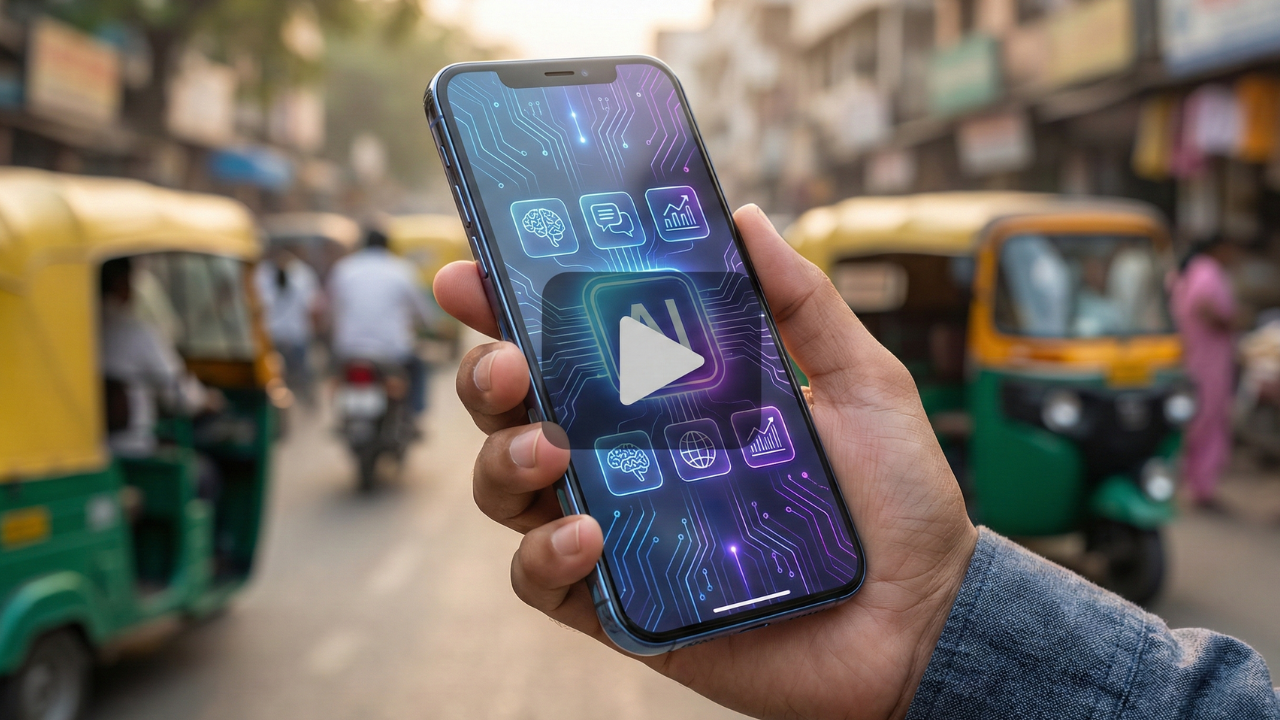
पिछले कुछ सालों में smartphone ads और launch events में एक शब्द बार-बार सुनाई देने लगा है — AI smartphones। हर नया phone खुद को “AI-powered” बता रहा है, चाहे वह camera हो, battery हो या performance। लेकिन users के मन में एक honest सवाल उठता है: क्या AI phones सच में daily life में काम आते हैं, या फिर ये सिर्फ marketing का नया नाम है?
आज जब phones पहले से ही fast और powerful हो चुके हैं, यह सवाल और भी relevant हो जाता है।
AI smartphones का background और आज की relevance
जब smartphone design और hardware innovation थोड़ा slow हुआ, तब brands ने software intelligence पर ज़्यादा focus करना शुरू किया। Same display, same battery size और similar cameras के बीच differentiation के लिए AI को highlight किया गया।
Problem यह है कि AI features अक्सर background में काम करते हैं। Users को तुरंत कोई dramatic change feel नहीं होता, लेकिन ads इसे future-changing technology की तरह present करते हैं। यही gap expectations और reality के बीच confusion पैदा करता है।
AI smartphones असल में करते क्या हैं
AI smartphone का मतलब यह नहीं कि phone खुद सोचने लगे। Reality में AI छोटे-छोटे decisions automate करता है।

Camera इसका सबसे common example है। Phone scene पहचानकर lighting, colors और contrast adjust करता है। Casual users के लिए यह helpful है, क्योंकि बिना manual settings बदले photos decent आ जाती हैं।
Battery optimization भी एक practical AI use है। Phone यह सीखता है कि आप कौन-से apps ज्यादा use करते हैं और background activity को limit करता है। Result बहुत बड़ा नहीं होता, लेकिन overall efficiency improve होती है।
Performance side पर AI memory management और thermal control में help करता है, खासकर mid-range phones में।
Real-world usage में AI कहाँ useful लगता है
AI smartphones का सबसे बड़ा फायदा convenience है, not magic.
अगर आप tech-savvy नहीं हैं, तो AI features phone को “set it and forget it” experience बना देते हैं। Auto brightness, adaptive refresh rate और smart notifications daily usage को smoother बनाते हैं।

Voice typing और live translation जैसे features धीरे-धीरे usable हो रहे हैं। Meetings, quick replies और travel situations में ये genuinely time save कर सकते हैं, भले ही अभी perfect न हों।
Security में भी AI role निभा रहा है। Face unlock और behavior-based security phones को पहले से ज्यादा reliable बनाते हैं।
जहाँ AI सिर्फ hype जैसा लगता है
Marketing और reality का फर्क यहीं साफ दिखता है।
“AI performance boost” या “AI gaming mode” जैसे claims अक्सर normal software tuning ही होते हैं। Daily usage में user को कोई sudden speed jump महसूस नहीं होता।
Generative AI features जैसे AI wallpapers, smart captions या auto replies fun हो सकते हैं, लेकिन essential नहीं। Majority users कुछ दिनों बाद इन्हें ignore करने लगते हैं।

Cloud-based AI एक और limitation है। Internet slow हो तो features काम नहीं करते, और privacy concerns भी सामने आते हैं — जिन पर ads में ज़्यादा बात नहीं होती।
AI phone खरीदते समय क्या practical सोच रखें
अगर आप AI smartphone लेने की सोच रहे हैं, तो सिर्फ “AI” word देखकर decision न लें।
देखें कि कौन-से features actually on-device काम करते हैं और कौन-से internet पर depend करते हैं। On-device AI usually faster और privacy-friendly होता है।
Camera quality के लिए marketing images नहीं, real user samples देखें। Battery AI claims को long-term reviews से match करें।
सबसे जरूरी बात — अपना usage honestly समझें। अगर आप photography, productivity या automation use करते हैं, तो AI useful लगेगा। Otherwise difference subtle ही रहेगा।

Future potential बनाम current reality
AI smartphones अभी transition phase में हैं।
Technology evolve हो रही है, लेकिन अभी revolution stage नहीं आई है। आने वाले सालों में better AI chips और local processing से AI features ज्यादा visible और reliable बन सकते हैं।
आज AI phones useless नहीं हैं, लेकिन expectations को grounded रखना जरूरी है।
Conclusion
AI smartphones न तो सिर्फ marketing gimmick हैं, न ही पूरी तरह life-changing technology। ये quietly phone experience को better बनाते हैं, लेकिन ads जैसा dramatic impact नहीं देते।
अगर आप AI को bonus feature मानकर phone चुनते हैं, main reason नहीं, तो disappointment नहीं होगी। Future AI का है, लेकिन अभी smart और practical buying decision सबसे ज्यादा important है।