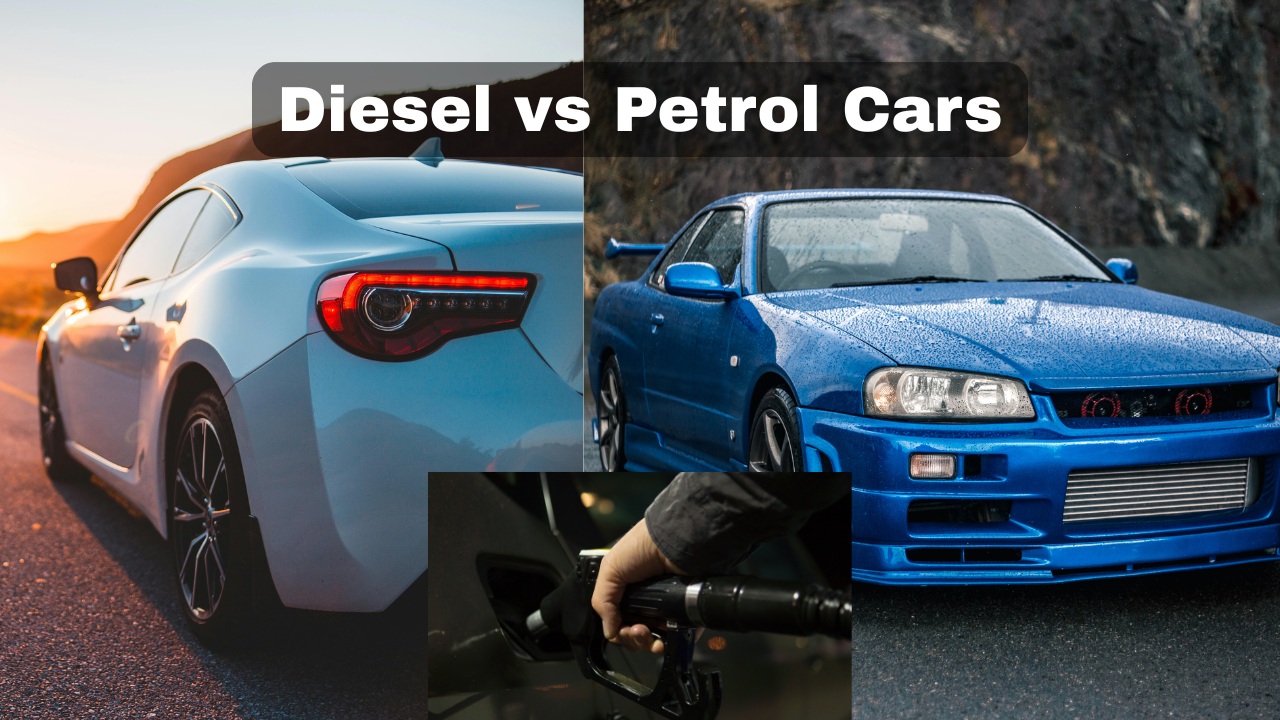
Choosing between a diesel car and a petrol car is a question many Indian buyers face in 2026. Rising fuel prices, stricter emission norms, and changing driving habits have made the decision more nuanced than ever. While diesel cars were once preferred for long-distance driving, and petrol for city commuting, today’s buyers must consider mileage, running costs, maintenance, and environmental impact.
Understanding the strengths and limitations of diesel and petrol cars helps buyers select a vehicle that matches their lifestyle, daily commute, and budget.
Petrol cars – ideal for city and occasional highway use
Petrol cars remain the most popular choice in India, mainly due to ease of use, smooth performance, and widespread fuel availability. They are lighter than diesel cars, making them more agile in city traffic.
Acceleration is generally smoother, and petrol engines are quieter compared to diesel engines. Modern petrol cars also deliver competitive mileage, especially in compact and mid-size segments. Maintenance is simple, and spare parts are widely available, making petrol cars practical for first-time buyers and city commuters.

Diesel cars – designed for long-distance and heavy usage
Diesel cars are known for their fuel efficiency, especially on highways. The torque delivered by diesel engines is higher, which makes overtaking and highway cruising easier. Diesel engines are also more durable for long-term use and high-mileage driving.
However, diesel cars are heavier and generally more expensive upfront. Maintenance costs are slightly higher, and servicing requires more attention. Additionally, diesel cars produce more particulate emissions, which is a growing concern in urban areas.
Mileage comparison
In 2026, diesel cars still outperform petrol cars on highways. For example, a diesel sedan might offer 20–25 km per liter on highways, while a petrol sedan may deliver 15–18 km per liter under similar conditions.
In city traffic, the difference reduces because diesel engines are less efficient in stop-and-go conditions. Petrol cars are often more fuel-efficient in urban driving due to lower engine idling losses and lighter vehicle weight.

Running costs
Fuel cost is a major factor. Diesel remains slightly cheaper than petrol in some regions, and better highway mileage can lead to lower total expenses for heavy users.
For city commuters covering 30–50 km per day, petrol cars may be more economical because the lower upfront cost and cheaper maintenance offset the slightly higher fuel expenses. Diesel cars are more beneficial for users covering long distances regularly.
Environmental and regulatory factors
Petrol cars emit fewer particulate pollutants, making them more suitable for city use. Diesel cars produce higher NOx and particulate emissions, which have led to stricter regulations in Indian cities.
Hybrid and electric alternatives are gradually gaining traction for urban users who want eco-friendly options without compromising daily convenience.

Performance and driving experience
Petrol cars deliver smoother acceleration and quieter operation, which enhances comfort during city commutes. Diesel cars provide higher torque, which is noticeable during overtaking and highway cruising.
Choosing between petrol and diesel often depends on driving patterns: petrol for city-centric users and diesel for frequent long-distance travelers.
Maintenance and long-term ownership
Petrol engines are simpler to maintain and have fewer components that require regular attention. Diesel engines require occasional diesel particulate filter maintenance and more frequent oil changes, which can increase long-term ownership cost.
Service network availability is generally good for both types, but diesel cars may require specialized care in smaller towns.

Practical advice for buyers
- Evaluate your daily driving distance: short city commutes favor petrol, long highway drives favor diesel.
- Compare upfront cost vs running cost: diesel cars are pricier initially but save on fuel for heavy usage.
- Consider resale value: petrol cars are easier to sell in urban areas, while diesel cars retain value for users with high mileage needs.
- Think about long-term environmental impact, especially if you live in cities with emission regulations.
Final conclusion
In 2026, choosing between diesel and petrol cars depends primarily on usage patterns. Petrol cars are ideal for city commuters, occasional highway trips, and buyers seeking low-maintenance, smooth vehicles. Diesel cars suit frequent long-distance travelers who value mileage and torque for highway driving.
There is no universal winner. Understanding real-world needs, running costs, and long-term ownership requirements ensures that the car you choose is practical, economical, and enjoyable for years to come.